


Keywords: SMR, small modular reactors, nuclear energy Croatia, passive safety, radioactive waste, nuclear licensing, energy transition
Introduction
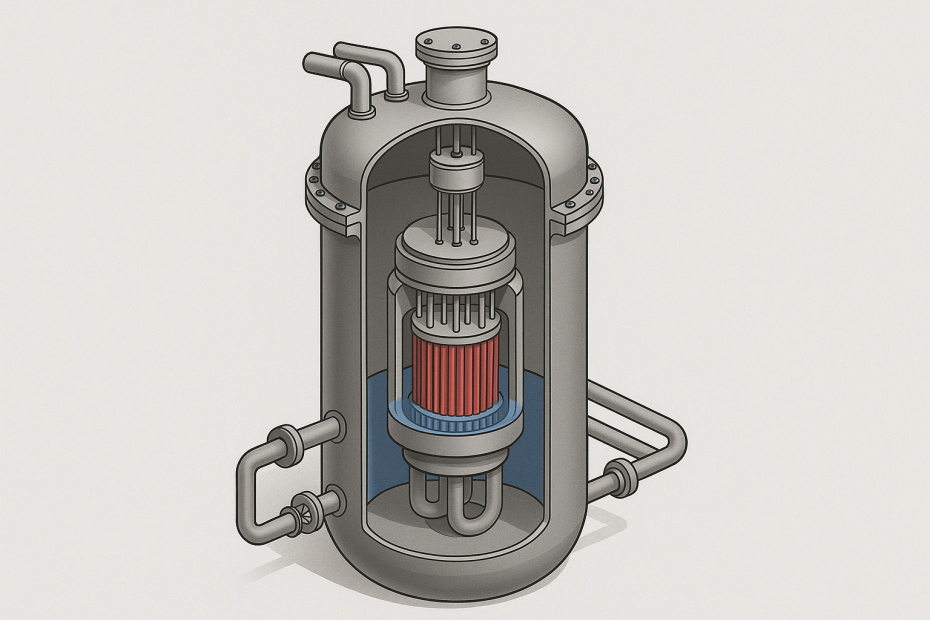
Small Modular Reactors (SMRs) represent an advanced class of nuclear energy systems designed to improve safety, modularity and economic flexibility. Due to factory-based construction, inherent and passive safety mechanisms, and reduced siting requirements, SMRs are increasingly considered a viable option for low-carbon energy production. This article provides an overview of technological, safety-related, economic and regulatory aspects of SMR implementation, with emphasis on potential relevance for Croatia.
Technological features of SMR systems
SMR designs include various advanced reactor types such as:
- light-water SMRs,
- high-temperature gas reactors,
- sodium-cooled fast reactors,
- lead-cooled advanced systems.
Common features include modular factory fabrication, passive safety design, reduced fissile inventory and compact geometries.
Safety considerations
Key safety mechanisms integrated into SMR systems include:
- passive decay heat removal via natural circulation,
- negative reactivity feedback coefficients,
- reduced potential radioactive source term,
- below-grade or shielded installation for increased robustness.
International regulatory bodies, including the IAEA, are developing harmonised SMR-specific safety frameworks.
Economic and operational aspects
SMR economic performance depends on:
- serial manufacturing of modules,
- standardised design,
- phased expansion of capacity,
- integration with renewable-heavy power systems.
SMRs may also provide industrial process heat and district heating applications.
Radioactive waste and fuel management
Although total waste quantities are smaller than in large reactors, long-term waste management requirements remain identical and must comply with established international standards. Standardised module design can facilitate fuel-handling logistics.
SMR prospects in Croatia
Relevant considerations for Croatia include:
- availability of nuclear and radiation protection expertise,
- need for stable low-carbon baseload power,
- potential deployment in industrial and energy zones,
- alignment with EU decarbonisation objectives.
Conclusion
SMRs offer a technologically advanced and flexible solution for future low-carbon electricity and heat generation. Croatia possesses the technical and institutional foundations to evaluate SMR deployment as part of long-term energy strategy development.